The Fish Care is a blog dedicated to everything about fish and aquariums. We share helpful tips, care guides, product reviews, and expert advice to help fish lovers keep healthy and thriving aquatic pets.
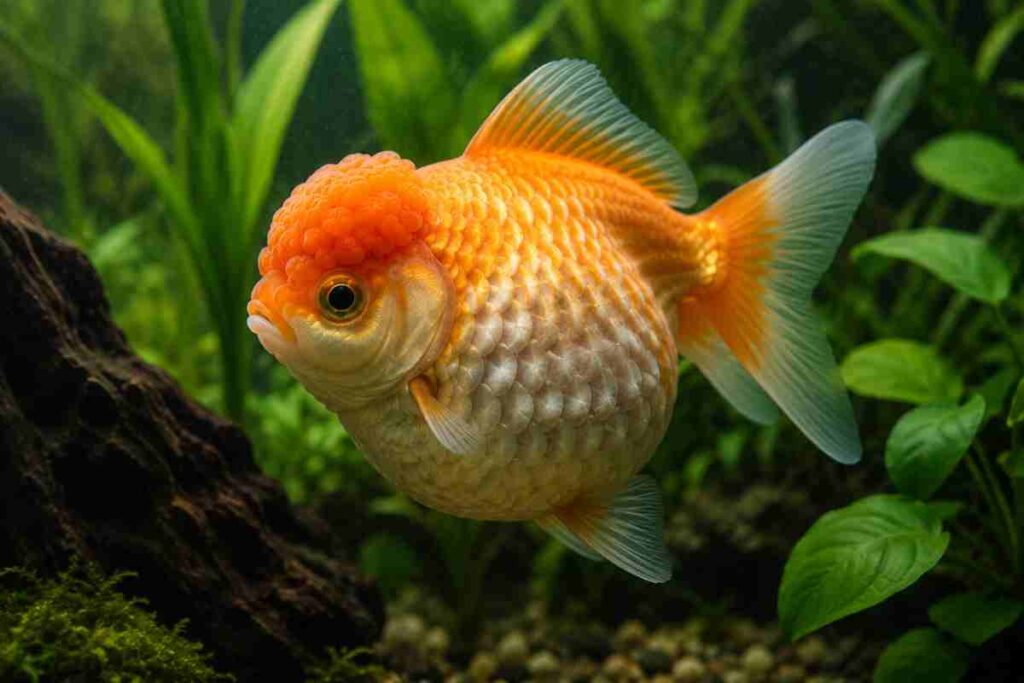
Dropsy in Goldfish – Causes, Signs & Treatment
Yes, goldfish can get dropsy, and they’re actually more prone to it than most other freshwater aquarium fish. The reason comes down to three…
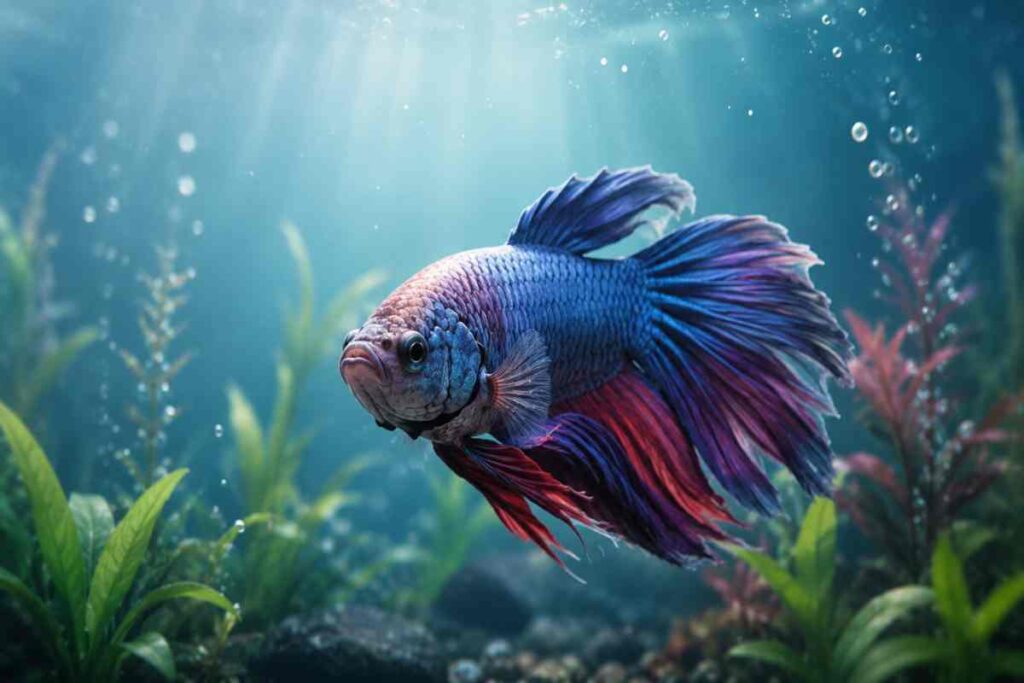
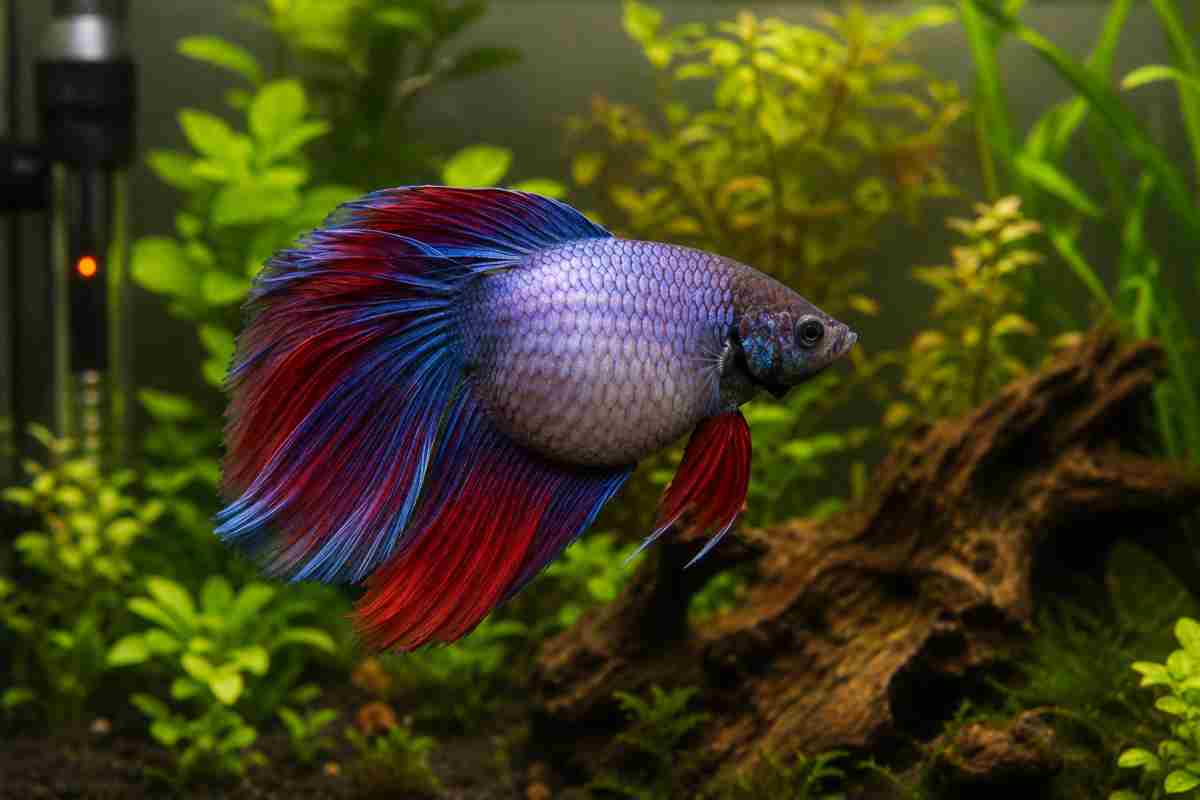
Betta Fish Behavior – What Every Sign Really Means
Normal betta behavior includes flaring at reflections or other fish, building bubble nests, resting on leaves or the substrate, exploring the tank, and swimming…
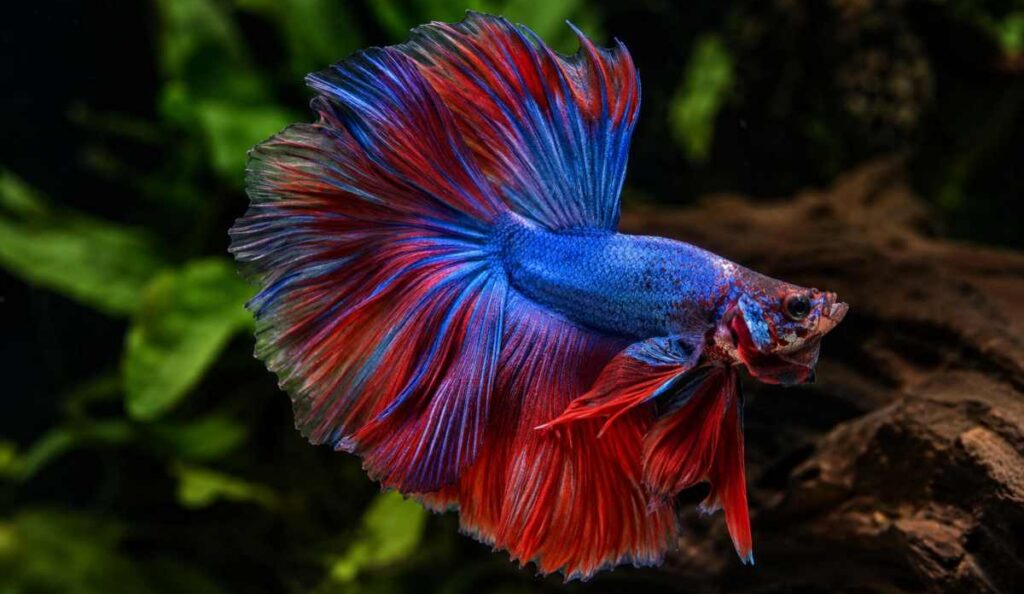
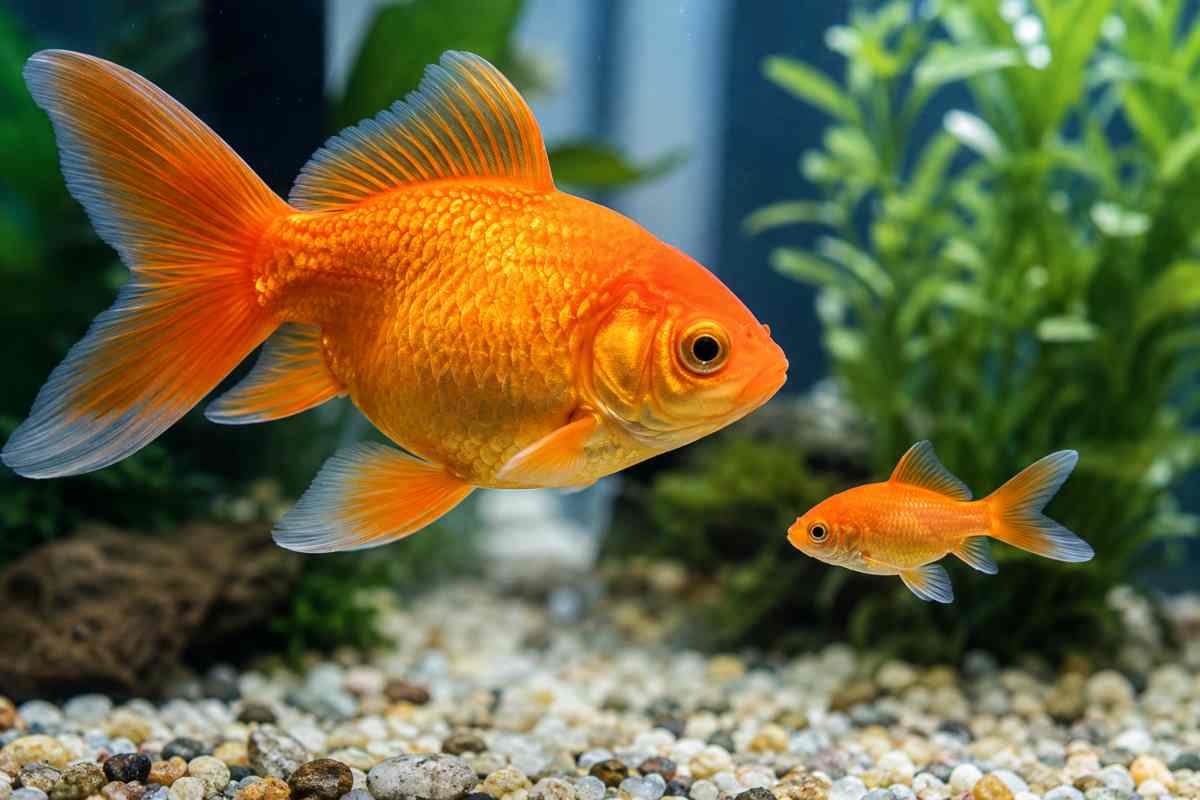
Fantail Goldfish Care Guide – Size, Tank & Lifespan Tips
The fantail goldfish is a hardy, beginner-friendly fancy goldfish known for its rounded, egg-shaped body and double-tailed fins. It typically grows 6 to 8…
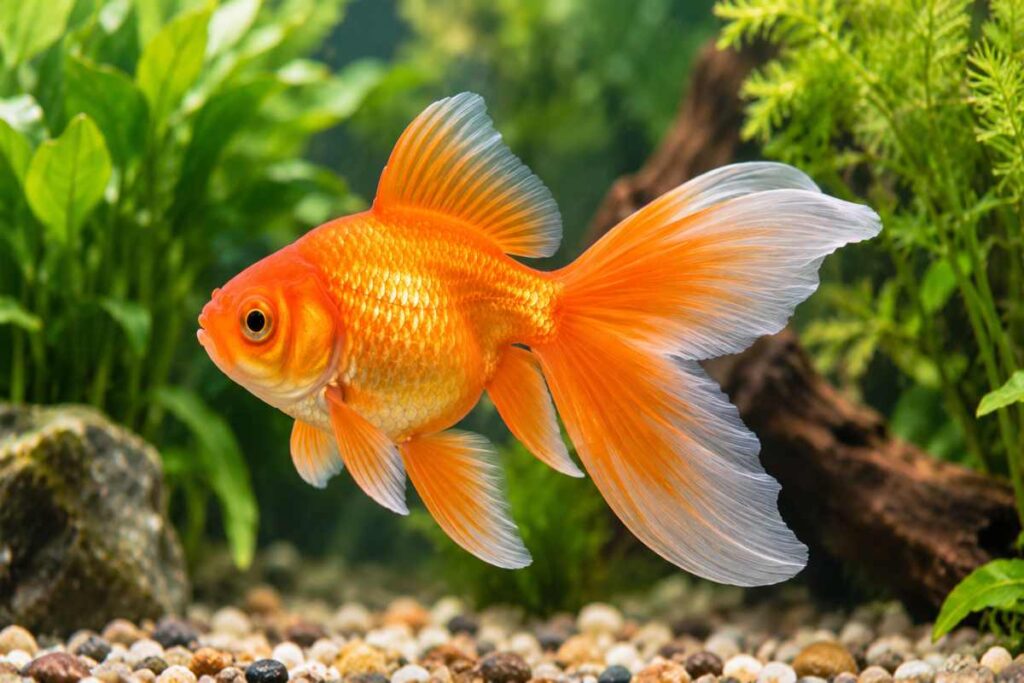
How Long Can Betta Fish Go Without Food? Vacation Guide
A healthy adult betta fish can safely go without food for 3 to 5 days without negative effects and can technically survive 10 to…
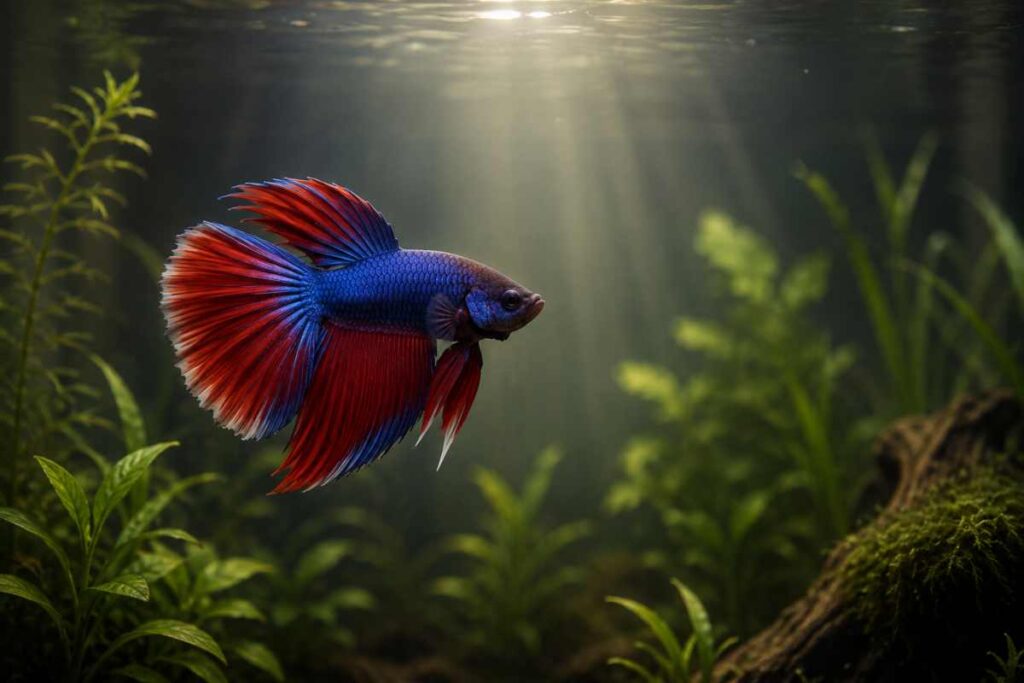
Betta Fish Food: What to Feed & How Much (Complete Guide)
Betta fish need a high-protein, carnivorous diet, ideally 35 to 45 percent protein with low fiber and moderate fat. The best approach combines a…
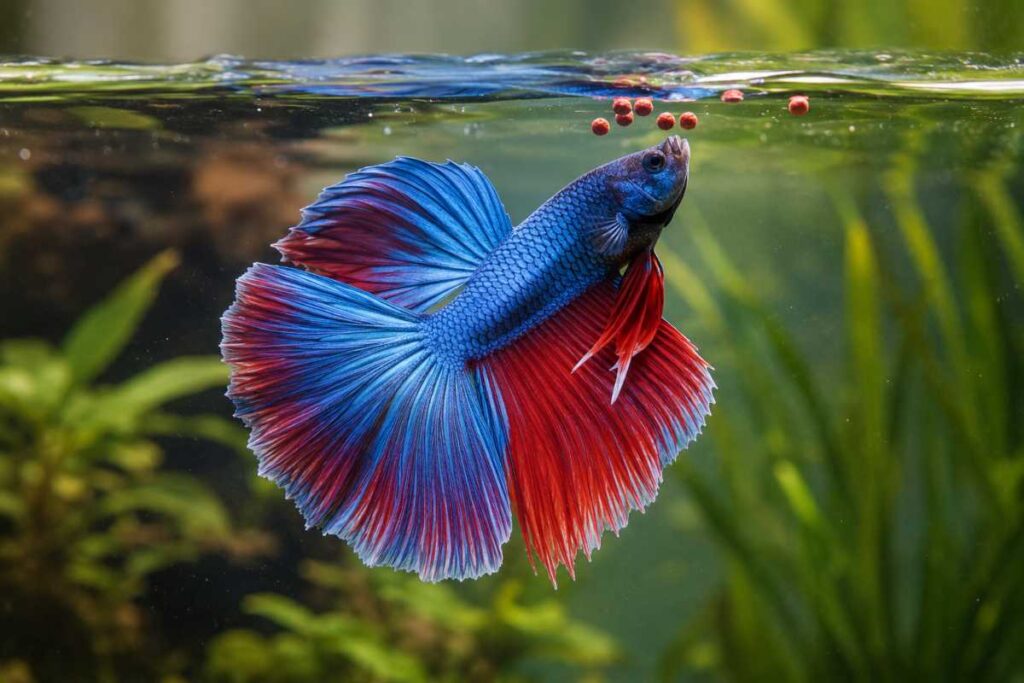
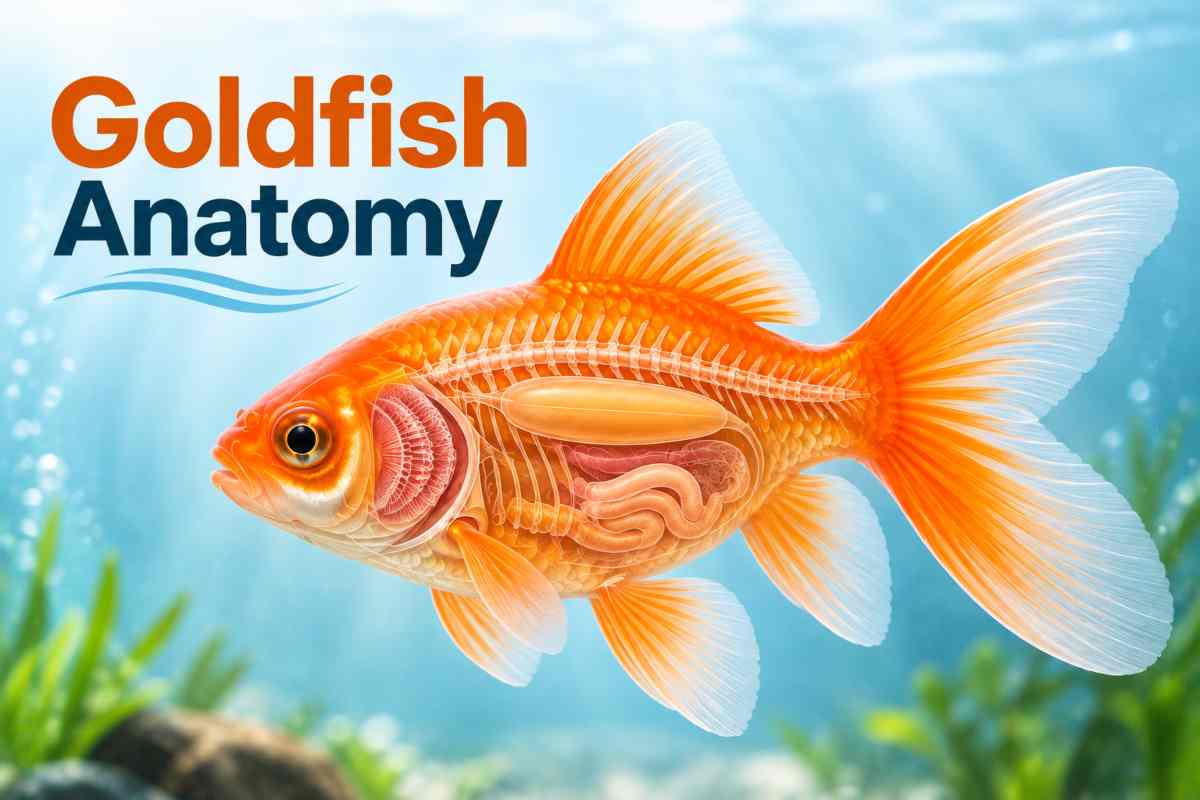
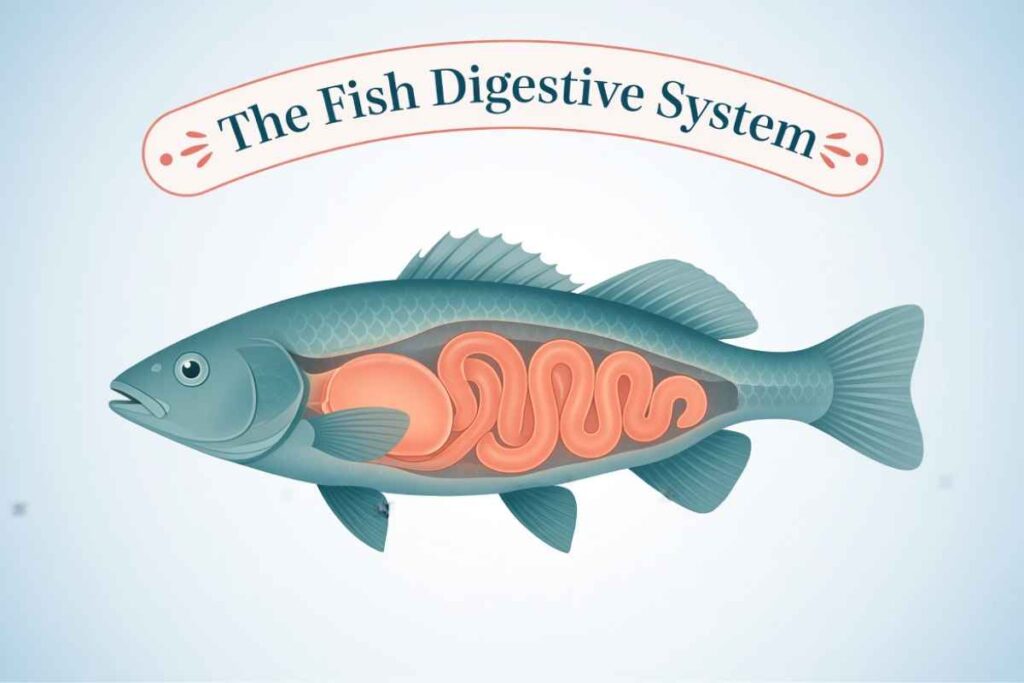
Fish Digestive System Explained: How Fish Digest Food
A fish’s digestive system runs from mouth to vent through a mouth, esophagus, stomach (in most species), intestine, and cloaca or anus, with the…
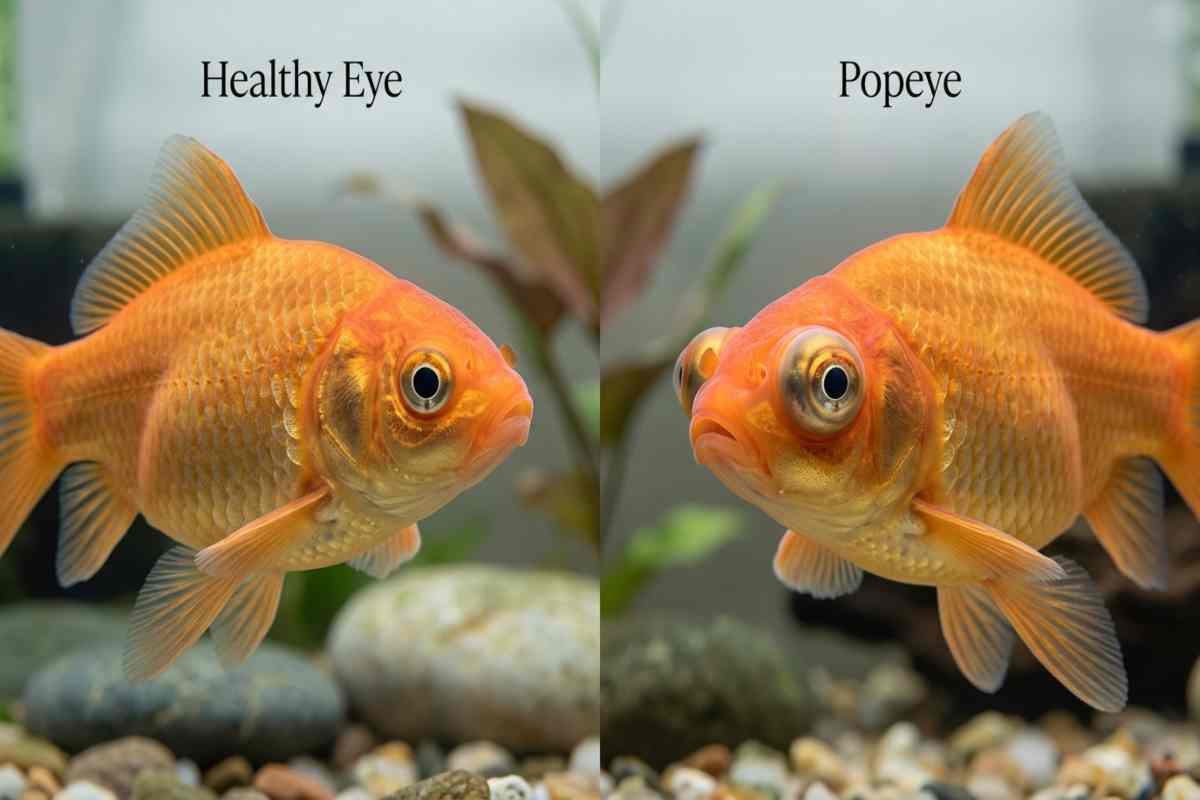
What Is Dropsy in Fish? Causes, Signs & Treatment
Dropsy in fish is not a disease itself. It is a symptom, a visible sign that a fish’s kidneys or gills have stopped working…
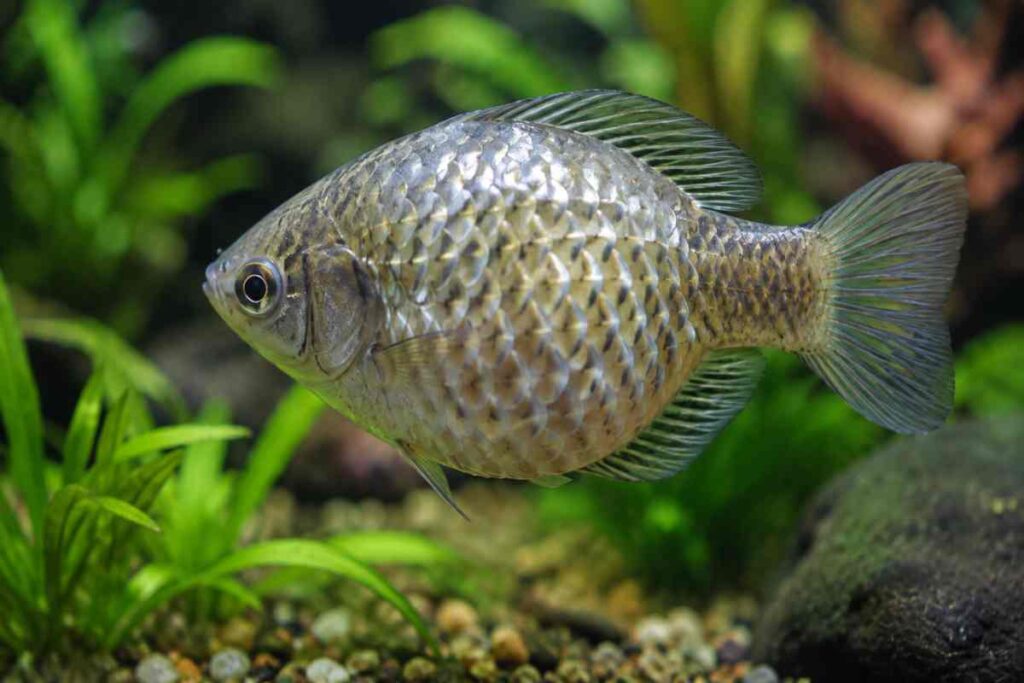
Can Fish See in the Dark? The Science Explained
No fish can see in complete darkness, since vision always requires some light. But many species see remarkably well in dim conditions; some deep-sea…
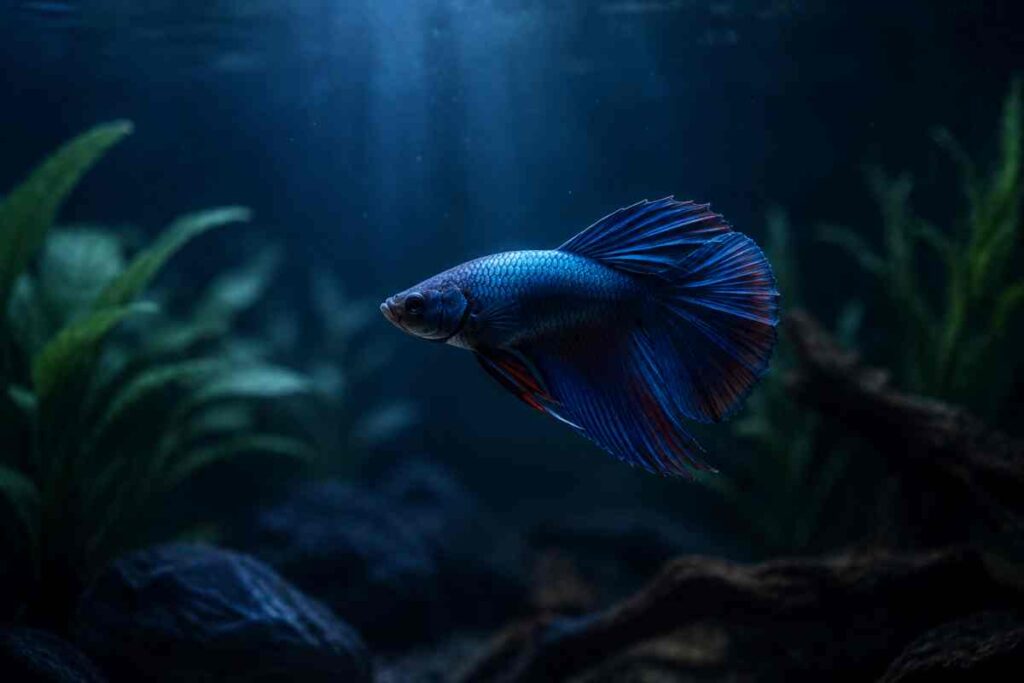
Fish Life Cycle – The 6 Stages From Egg to Spawning Adult
Every freshwater fish passes through six life stages: egg, larva, fry, juvenile, adult, and spawning. Water temperature, food availability, and predation determine how fast…
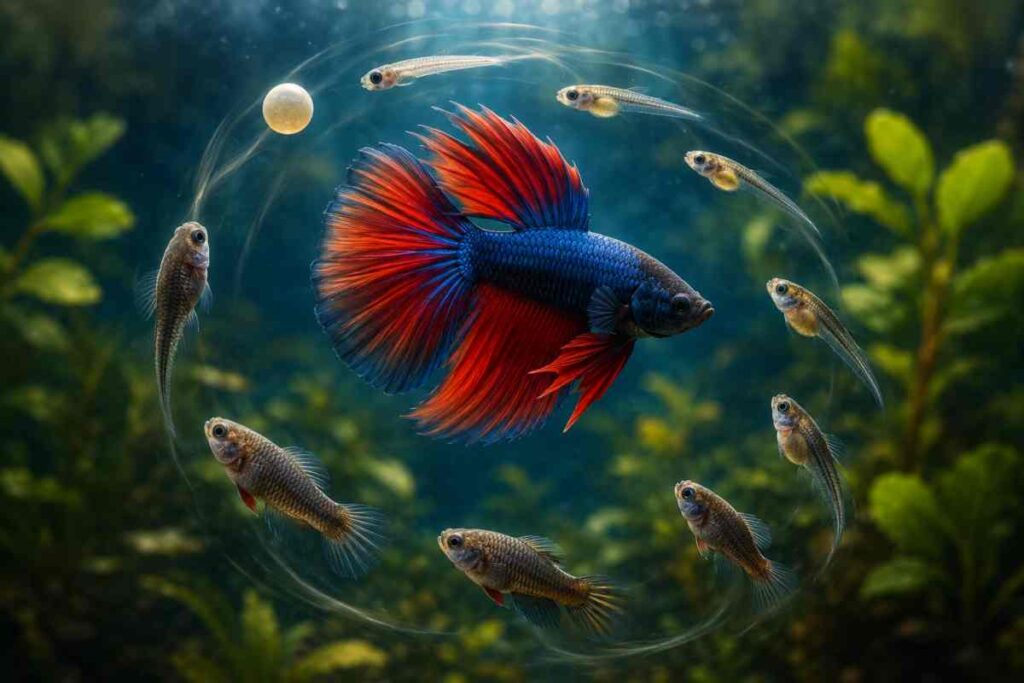
Do Fish Have Feelings? What Science Really Says
Yes. Peer-reviewed research shows that fish detect painful stimuli through nociceptors, produce measurable stress responses, learn from negative experiences, and change their behavior in…